
AI-Powered Laparoscopy: Making Minimally Invasive Surgery Accessible
CodeTherapy R&D | May 15, 2025 | 3 min read
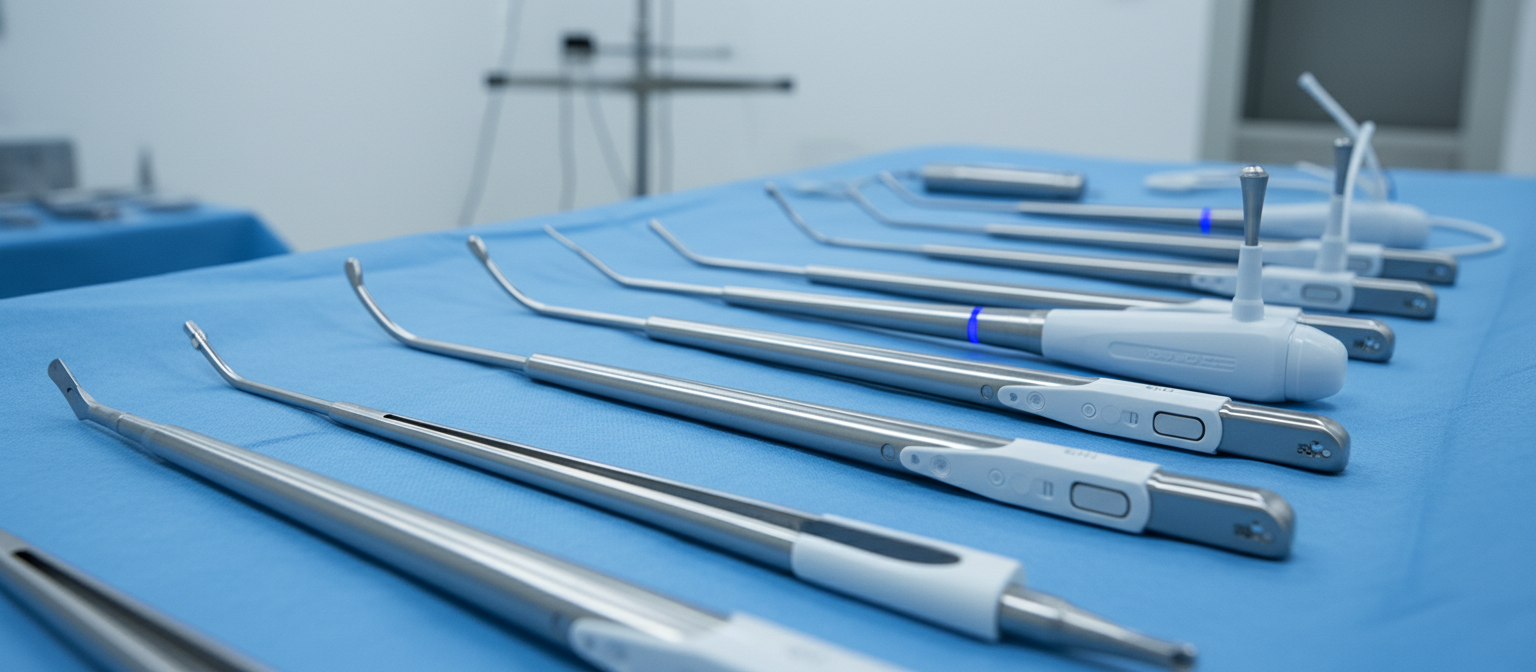
The CodeTherapy R&D unit collaborated with biomedical engineers from Senegal and India to build an end-to-end laparoscope prototype equipped with IoT sensors and onboard AI. This joint milestone marks a pivotal shift toward engineering healthcare systems designed from the ground up for low-resource clinics rather than adapting complex, high-power Western hardware.
The team designed and trained object-detection networks to recognize organs and common pathologies in real time, providing augmented video overlays for surgeons. The system was optimized for low power and manufacturability, utilizing readily available electronic components that can be sourced and repaired locally without relying on proprietary global supply chains.
The goal is to make minimally invasive surgery more accessible in under-resourced hospital settings across West Africa, where access to advanced surgical tools remains critically limited. By lowering both cost and complexity, CodeTherapy aims to assist local clinical centers in significantly reducing post-operative complications and patient recovery times.
Read the published paper: IEEE Biomedical Engineering and Sustainable Healthcare (ICBMESH 2025) →Related Projects

Mammography AI for Early Detection
Deep-learning screening models for breast cancer optimized for compressed, low-contrast clinical mammograms in resource-constrained regional clinics.
Read more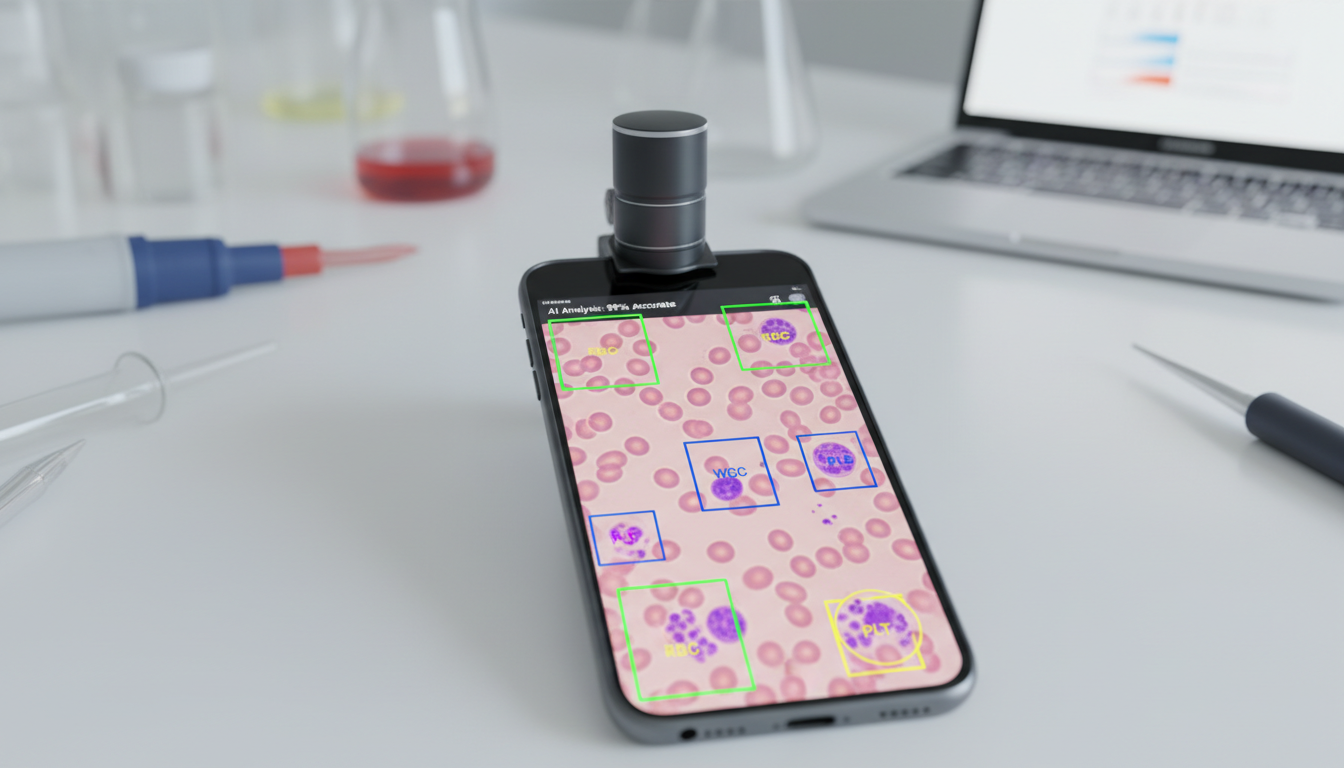
Malaria Detection via Smartphone
On-device ML algorithms optimized for CBC and cell counting using standard smartphone cameras attached to low-cost clinical microscopes, tested with Ethiopian researchers.
Read moreLet’s co-create pathways for diagnostic equity.
We partner with medical practitioners, academic institutions, and funding groups to refine, validate, and deploy open-source healthcare technologies where they are needed most.